
Master Essential Skills in Advanced First Aid
When an emergency strikes, knowing how to respond quickly and effectively can make all the difference. Whether at work, in public, or at home, having advanced first aid skills empowers you to save lives and reduce the severity of injuries. I want to share how mastering these skills through proper training can boost your confidence and preparedness in critical moments.
Why Emergency Response Skills Training Matters
Emergencies are unpredictable. They can happen anywhere, anytime. That’s why emergency response skills training is essential. It equips you with the knowledge and hands-on experience to act decisively when seconds count.
In workplaces across Victoria, safety regulations require trained first aiders. But beyond compliance, having skilled responders creates a safer environment for everyone. You learn to assess situations calmly, prioritise care, and use specialised equipment effectively.
For example, imagine a colleague suddenly collapses. Without training, panic might take over. But with emergency response skills, you can check their airway, breathing, and circulation, and provide CPR if needed. This immediate action can sustain life until professional help arrives.

Emergency response skills training prepares you for real-life situations.
Core Components of Advanced First Aid
Advanced first aid goes beyond basic bandages and CPR. It covers a wide range of medical emergencies and teaches you how to manage them effectively. Here are some key components you will master:
Advanced CPR techniques: Including the use of automated external defibrillators (AEDs) and managing choking in adults and children.
Managing severe bleeding: Applying pressure, using tourniquets, and recognising shock symptoms.
Handling fractures and spinal injuries: Immobilising limbs and supporting the spine to prevent further damage.
Recognising and treating medical conditions: Such as heart attacks, strokes, diabetic emergencies, and seizures.
Using oxygen therapy: Administering oxygen safely to patients in respiratory distress.
Emergency childbirth: Providing care during unexpected deliveries.
Each skill is taught with practical demonstrations and scenario-based exercises. This hands-on approach ensures you can apply what you learn confidently.
If you want to deepen your knowledge, consider enrolling in an advanced first aid course. These courses are designed to meet workplace safety standards and provide comprehensive training tailored to your needs.
Practical Tips to Enhance Your First Aid Readiness
Training is just the start. To truly master advanced first aid, you need to keep your skills sharp and your mindset prepared. Here are some practical tips:
Regularly refresh your knowledge: First aid guidelines can change. Attend refresher courses or review materials every year.
Keep your first aid kit stocked and accessible: Check supplies regularly and replace expired items.
Practice scenarios with colleagues or family: Role-playing emergencies helps build muscle memory and reduces hesitation.
Stay calm and focused: In an emergency, your composure can reassure others and improve your decision-making.
Know your local emergency numbers and procedures: Quick communication with emergency services is vital.
By integrating these habits into your routine, you’ll be ready to respond effectively when needed.
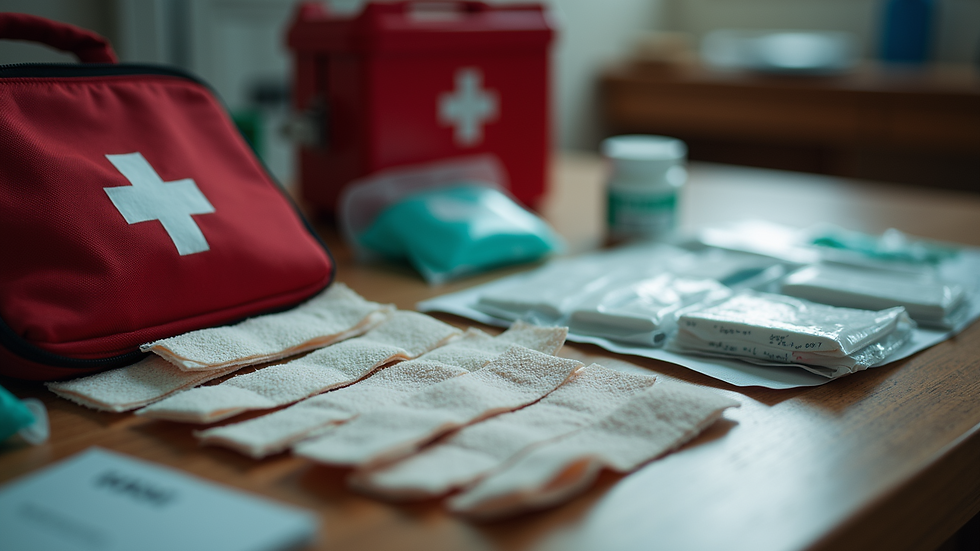
Keeping your first aid kit ready is a key part of emergency preparedness.
How Advanced First Aid Training Benefits Workplaces in Victoria
Workplaces have a responsibility to provide a safe environment. Advanced first aid training supports this goal by:
Reducing workplace injuries and fatalities: Trained responders can provide immediate care, preventing complications.
Ensuring compliance with Victorian occupational health and safety laws: Many industries require certified first aiders on site.
Boosting employee confidence and morale: Knowing someone can help in an emergency creates a supportive atmosphere.
Minimising downtime and disruption: Quick response can reduce the severity of incidents and speed up recovery.
Businesses that invest in tailored first aid training demonstrate care for their staff and customers. This commitment can also enhance their reputation and attract referrals.
Workplace First Aid offers customised courses across Victoria, focusing on practical skills and real-world scenarios. Their expert trainers ensure you gain the confidence to act decisively.

Tailored first aid training helps workplaces stay safe and compliant.
Building Confidence to Save Lives
Mastering advanced first aid is not just about knowledge - it’s about confidence. When you know what to do, you can step forward without hesitation. This confidence comes from quality training, practice, and a supportive learning environment.
Remember, emergencies can be stressful. But with the right skills, you become a calm and capable responder. You can make a real difference in someone’s life.
If you’re ready to take your first aid skills to the next level, consider enrolling in an advanced first aid course. It’s an investment in safety, preparedness, and peace of mind.
Taking the time to master essential skills in advanced first aid is a powerful way to protect those around you. Whether at work or in the community, your ability to respond effectively can save lives and reduce suffering. Start your journey today and become the confident first aider your workplace and community can rely on.
Comments